Almost everyone has experienced it: you stand up from your desk, squat down, or walk downstairs -- and suddenly your knee makes a cracking sound. Why do knees crack? Is it a harmless everyday occurrence or a sign of something more serious? These questions concern millions of people, and the answer is more nuanced than you might initially think.
Why Do Knees Crack? The Most Common Causes
Joint noises in the knee can have many different triggers. Most of them are completely harmless. To understand the causes of knee cracking, it helps to look at the anatomy of the knee joint.
Cavitation: Gas Bubbles in the Joint Fluid
The most common and also the most harmless explanation: small gas bubbles can form in the synovial fluid -- the body's natural joint lubricant. When these bubbles burst during movement, they produce the typical cracking sound. This process is known as cavitation and is similar to the mechanism behind finger cracking. It causes neither pain nor damage to the joint.
Tendons and Ligaments Sliding Over Bony Prominences
Muscles, tendons, and ligaments surround the knee joint like a complex network. During certain movements, these structures can glide over bony prominences or other tissue, producing an audible snapping or cracking sound. This phenomenon occurs more frequently after prolonged sitting, when the muscles in the thigh and calf are slightly shortened.
Muscular Imbalances and Misalignment
When the thigh muscles -- particularly the quadriceps -- are too weak, the kneecap is not optimally guided in its groove. The result: it shifts slightly during movement, producing noises. Misalignments such as knock knees or bow legs can also lead to uneven loading of the knee joint and promote cracking sounds.
Minor Cartilage Irregularities
With increasing age or through regular stress, fine irregularities can develop on cartilage surfaces. When these surfaces rub against each other, they produce sounds perceived as a slight grinding or cracking. As long as no pain occurs, this is often not yet a cause for concern.
Overuse and Physical Activity
Athletes are particularly familiar with this phenomenon: after intense training or unusual exertion, knees tend to crack more frequently than usual. High-impact sports such as running, football, or tennis place significant demands on the knee joint. But here too the rule applies: cracking without pain is generally not a warning sign. What matters is that you allow your body sufficient recovery time and increase training intensity gradually.
The Role of Synovial Fluid in Healthy Knees
Synovial fluid plays a central role in the health of your knee joints. This viscous, slightly yellowish fluid fulfils several important functions:
- Lubrication: It ensures that joint surfaces glide against each other with virtually no friction
- Nutrition: Since joint cartilage has no blood vessels of its own, synovial fluid is its most important source of nutrients
- Shock absorption: Together with the cartilage, it cushions impacts and loads
The quality and quantity of synovial fluid is promoted by movement. Those who exercise regularly distribute the joint lubricant evenly throughout the entire joint space, thereby supporting natural joint function. Prolonged sitting, on the other hand, can cause the cartilage's nutrient supply to diminish.
A common experience: after standing up from a seated position, knees crack particularly loudly. The reason is simple -- during sitting, less synovial fluid is produced and distributed. As soon as you start moving again, joint lubrication normalises. This also explains why the cracking often subsides after the first few steps.
Cracking vs. Grinding: An Important Distinction
Not all joint noises are the same. It is crucial to distinguish between two types of sounds:
Cracking -- a single, clearly audible sound that occurs occasionally during certain movements. Usually harmless and often attributable to cavitation or tendon gliding.
Grinding (crepitation) -- a persistent, rubbing sound that feels like sand in the gears or like a coffee grinder. This sound often indicates cartilage damage and should be medically evaluated.
The more advanced osteoarthritis becomes, the more frequently crepitation sounds occur. Studies show a significant correlation between the degree of osteoarthritis and the frequency of joint noises. When the cartilage layer is severely worn, the joint partners meet without adequate cushioning -- the result is audible and palpable friction sounds.
Important to know: crepitation alone is not sufficient to establish a specific diagnosis. The sounds can be associated with damage to various structures within the knee joint -- from cartilage and meniscus to tendons. A thorough medical examination, potentially including imaging such as MRI or X-ray, is necessary to determine the exact cause.
When Should You See a Doctor?
Knee cracking alone is in most cases no cause for concern. However, there are clear warning signs that warrant a medical consultation:
- Pain accompanies the cracking -- If the sound occurs together with pain, especially under load, you should have this evaluated
- Swelling of the knee joint -- Fluid accumulation in the knee indicates inflammation or irritation
- Instability or giving way -- If the knee suddenly buckles or feels unstable
- Grinding instead of cracking -- The grinding sound described above as a possible sign of cartilage wear
- After injuries -- If the cracking newly appears after a sports accident, fall, or twisting of the knee
- Increasing restriction of movement -- If you can no longer fully bend or extend the knee
- Persistent or worsening symptoms -- If the cracking increases over weeks or occurs constantly
Always consult your doctor if you experience persistent symptoms. Untreated meniscus damage or ligament injuries can lead to osteoarthritis in the long term.
What to Expect at the Doctor's Office
Many people delay seeing a doctor out of uncertainty. Yet the examination is usually straightforward. The orthopaedic specialist will first take a detailed medical history and perform a clinical examination of the knee. This involves testing ligament stability, checking range of motion, and noting the type of joint sounds. If structural damage is suspected, imaging techniques such as X-ray, ultrasound, or MRI may be used. The earlier a potential cause is identified, the better the treatment options.
How to Support Your Knees in Daily Life
The good news: there is plenty you can do yourself to keep your knee joints healthy and reduce annoying cracking.
Targeted Strengthening Exercises
Strong muscles around the knee improve joint guidance and relieve pressure on the cartilage. Particularly effective exercises include:
- Quadriceps training: Wall squats, leg extension exercises
- Leg axis training: Single-leg stands, lateral lunges
- Calf muscles: Heel raises on a step
- Hip and glute muscles: Bridges, side planks with leg lifts
Everyday Movement
Regular, joint-friendly movement keeps the joints supple and promotes the production of synovial fluid:
- Walking, Nordic walking
- Cycling at low to moderate intensity
- Swimming or aqua aerobics
- Yoga or gentle stretching
Avoid prolonged sitting with bent knees. Stand up regularly and move your legs. Consciously go into a full squat from time to time to maintain the complete range of motion.
Diet and Weight
Excess weight places considerable strain on the knee joints. Every kilogram of body weight impacts the knee joints with three to four times the force with every step. A balanced diet rich in vitamins, minerals, and omega-3 fatty acids can support joint health. Particularly recommended are:
- Oily fish (salmon, mackerel) as a source of omega-3 fatty acids
- Green leafy vegetables and berries with antioxidant properties
- Nuts and seeds for magnesium and zinc
- Sufficient water -- dehydration can impair the quality of joint fluid
Proper Footwear and Ergonomics
The choice of appropriate footwear also plays a role in knee health. Shoes with good cushioning and arch support can reduce the load on knee joints. At the workplace, pay attention to ergonomic seating posture and change positions regularly. Alternating between sitting and standing every 30 to 45 minutes benefits the joints.
Natural Support for Your Joints
In addition to exercise and nutrition, there are further ways to integrate joint care into your daily routine. Warmth can help relax tense muscles around the knee and promote blood circulation. Cooling applications, in turn, can provide relief after physical exertion.
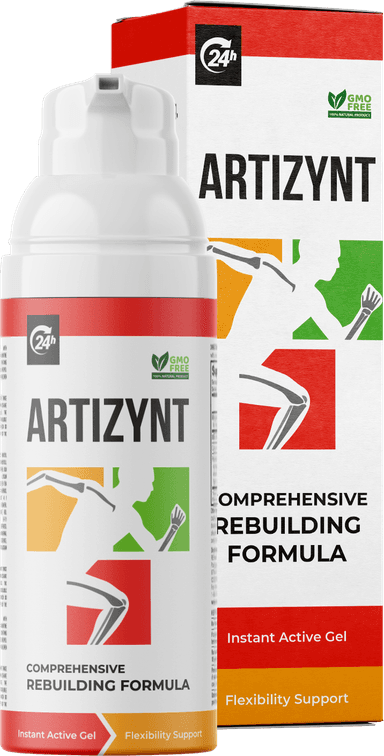
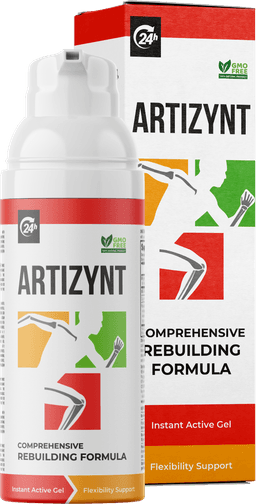
Modern alternatives like ArtiZynt Gel with magnesium, fir oil, and peppermint can help care for the joints and provide a pleasant sensation after physical activity. Such care products are naturally no substitute for medical treatment, but they can serve as a useful complement to daily joint care.
Dietary supplements containing glucosamine, collagen, and turmeric are also frequently taken to support joint function. ArtiZynt Capsules with D-glucosamine sulfate, bovine collagen, and turmeric extract can contribute to supporting the joints from within.
Conclusion: Listen to Your Knees
Knee cracking is in most cases a harmless phenomenon that gives no reason for panic. The causes range from simple cavitation and muscular tension to age-related changes. What matters is paying attention to accompanying symptoms: as long as there is no pain, no swelling, and no restriction of movement, you can remain calm.
At the same time, it is worthwhile to be proactively engaged. Regular movement, targeted muscle training, and conscious joint care are the best investments in the long-term health of your knees. Those who pay attention to their joints early on can maintain their function well into old age. The combination of external care and internal support through a joint-friendly diet provides the optimal foundation.
Always consult a doctor or orthopaedic specialist if you experience persistent or worsening symptoms. Early evaluation can help identify and treat potential problems in a timely manner.
Want to support your joints naturally?
ArtiZynt — the natural solution with Gel and Capsules for healthy, pain-free joints.


Order now and feel the difference!
Natural joint care without side effects. Thousands of satisfied customers already trust ArtiZynt.
Follow us
Order Now
Fill out the form – we'll call you back