The diagnosis of knee osteoarthritis is confirmed, the orthopaedic surgeon has recommended surgery – and then comes the sobering news: the waiting time for knee surgery in Austria is currently between 65 and 87 weeks. Nearly a year and a half during which everyday life can be marked by pain, restricted mobility and growing frustration. This article shows you how to bridge this period actively and purposefully.
Why the Waiting Time for Knee Surgery in Austria Is So Long
The Austrian healthcare system provides nationwide coverage through the Österreichische Gesundheitskasse (ÖGK – Austrian Health Insurance Fund), but faces long waiting times in certain areas. Elective orthopaedic procedures such as total knee replacements (knee arthroplasty) are among the most common operations performed in Austrian hospitals – and it is precisely for this reason that operating theatres are heavily occupied.
According to current data from the Federal Health Agency, public hospitals in Vienna, Graz and Linz report average waiting times of 70 to 87 weeks for elective knee arthroplasty. In rural regions, waiting times may be shorter, though travel distances are greater. Those with supplementary insurance (e.g. private ward cover with UNIQA, WIENER STÄDTISCHE or Merkur) can reduce the waiting time to a few weeks – but at considerable additional cost.
What Does This Mean for Publicly Insured Patients?
As a patient covered by ÖGK, you are entitled to full coverage of the knee surgery costs, including a rehabilitation stay. The price is time. You are not alone on the waiting list: an estimated 15,000 to 18,000 Austrians wait for a knee or hip replacement every year.
Important: Ask your ÖGK office whether you can be placed on the so-called urgency list. If a severe functional impairment is documented (e.g. inability to walk, need for care), the waiting time may be shortened.
Knee Osteoarthritis – Managing Daily Life During the Wait
The long wait before hospital admission does not have to mean enduring those months passively. On the contrary: staying active means going into surgery in better shape – and recovering measurably faster. Physiotherapists refer to this as prehabilitation: targeted training before the procedure that strengthens the musculature and reduces postoperative complications.
Movement: The Foundation of Wait-Time Therapy
Rest is counterproductive in knee osteoarthritis. Protective postures weaken the quadriceps – the thigh muscle that stabilises the knee joint. The weaker this muscle, the more pressure is placed directly on the cartilage – a vicious cycle.
The following exercises are joint-friendly and can be performed regularly:
- Isometric quadriceps exercise: Sit and extend the leg, tighten the thigh muscle, hold for 10 seconds. 3 sets of 15 repetitions daily.
- Mini wall squats: Back against the wall, bend the knees slightly (maximum 30 degrees), hold for 5–10 seconds. Strengthens the quadriceps without loading the joint.
- Straight-line cycling: A stationary bike or e-bike on flat terrain protects the joint and keeps the musculature active.
- Swimming and aqua jogging: The buoyancy of water takes up to 80% of body weight off the joint.
- Hamstring stretches: Shortened hamstrings increase pressure on the kneecap.
Perform these exercises daily, ideally after a short warm-up (10 minutes of slow walking). If you experience strong pain during the exercise, stop immediately and consult your doctor or physiotherapist.
Aids: Braces, Orthoses and Walking Aids
The right aid can make the difference between a largely normal daily life and complete immobility. The following options have proven effective for knee osteoarthritis:
Knee Braces and Orthoses
A well-fitting knee brace stabilises the joint, reduces the feeling of swelling and gives you a sense of security when walking. For publicly insured patients, ÖGK generally covers part of the cost of orthopaedic aids – speak with your orthopaedic surgeon, who can issue a prescription.
Difference between brace and orthosis:
- Brace: Elastic, for mild to moderate complaints, barely restricts movement
- Orthosis: Rigid frame or splints, for greater instability, individually fitted
Insoles and Footwear
Orthokinetic insoles can shift the load axis of the knee, relieving pressure on the damaged cartilage area. An orthopaedic shoemaker creates individual insoles following a gait analysis – these can also be partially covered with an ÖGK prescription.
Walking Sticks and Forearm Crutches
A single walking stick (held in the hand on the healthy side) can reduce the load on the affected knee by up to 25%. For more severe complaints, forearm crutches are more appropriate. Your doctor or the occupational therapy department of the hospital can advise on correct adjustment.
Relieving Knee Pain: Physical and Topical Applications
Beyond movement and aids, there are additional ways to ease daily discomfort.
Using Cold and Heat Purposefully
During acute swelling and inflammatory flare-ups, applying a cold pack (15–20 minutes, never directly on the skin – always with a cloth in between) cools the affected area and can reduce the heaviness in the joint. Heat, on the other hand, is helpful for chronic, stiff complaints without active inflammation: a heat patch or hot water bottle relaxes the surrounding musculature.
Topical Products and Gels
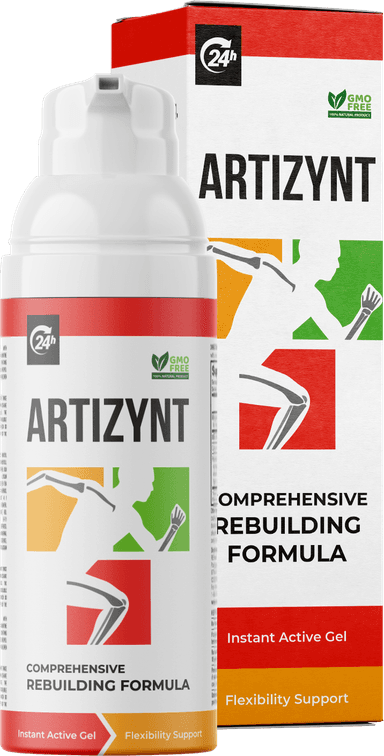
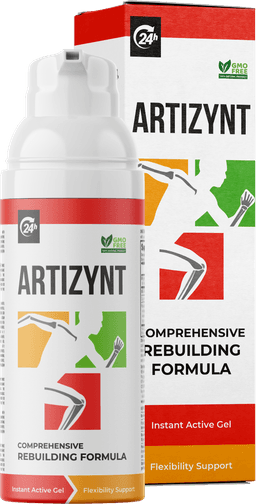
Locally applied products can help support wellbeing in the affected area. Many patients reach for cooling gels that refresh the skin around the knee region and create a pleasant sensation. Modern alternatives such as ArtiZynt Gel – with magnesium sulphate, Siberian fir oil and peppermint oil – combine a naturally cooling effect (peppermint) with a gently warming one (fir oil) and can thus contribute to daily joint care. The gel is applied transdermally and is suitable for regular home use.
Note: Topical products do not replace medical treatment. If pain persists or worsens, contact your treating physician.
Anti-Inflammatory Nutrition
Certain foods can support or dampen inflammatory processes in the body. A Mediterranean diet rich in omega-3 fatty acids (salmon, mackerel, linseed), turmeric, ginger, berries and green leafy vegetables is considered anti-inflammatory. At the same time, heavily processed foods, trans fats and high sugar intake should be reduced.
Body weight also plays a direct role: every kilogram of excess weight increases the pressure on the knee joint during walking by three to five times. A weight reduction of just 5 kg can already noticeably improve pain symptoms.
What ÖGK Covers Before the Operation
Many patients are unaware of which services the Austrian Health Insurance Fund finances during the waiting period. The following is typically included in the catalogue of benefits:
- Physiotherapy: On medical prescription, 6–10 sessions per quarter are usually partially financed. The co-payment varies by federal state and therapist.
- Orthopaedic aids: Braces, insoles, walking sticks on prescription from an orthopaedic surgeon or general practitioner – ÖGK covers fixed amounts.
- Pain therapy: Specialist visits to a pain therapist or rheumatologist on referral, free of charge.
- Remedial massage: Also on medical prescription, partially reimbursed.
- Psychological support: For documented psychological strain caused by the condition – accessible through ÖGK psychotherapy offerings.
Tip: Create a waiting-period folder in which you collect all prescriptions, medical reports and ÖGK reimbursement receipts. This also simplifies the paperwork after rehabilitation.
Mental Health During the Waiting Period
Chronic pain takes a toll not only physically but also emotionally. Sleep disturbances, social isolation, irritability and depressive moods are common companions of the long wait. It is important to take these signals seriously.
The following strategies can help:
- Keep a pain diary: Document pain intensity daily (scale 1–10), triggers and sleep quality. This gives your doctor valuable information and gives you a sense of control.
- Maintain social contacts: Meet regularly with friends or family – even if walking is difficult. Online meetings are an alternative.
- Self-help groups: In Austria there are local self-help groups for joint conditions (e.g. through the Österreichisches Hilfswerk or the Federal Ministry of Social Affairs).
- Mindfulness and relaxation: Progressive muscle relaxation (Jacobson method) or guided meditations can reduce pain perception.
Follow-Up Appointments: What to Discuss at Every Visit
The waiting period is not a time when you are left on your own. Regular check-up appointments with your orthopaedic surgeon – typically every three to six months – are important for documenting the progression of the condition and adjusting the treatment plan. Make active use of every appointment.
The following points should be raised at each check-up:
- Changes in pain intensity or frequency since the last visit
- Newly occurring swelling, redness or warmth in the knee joint
- Limitations in daily life: climbing stairs, walking longer distances, sleep disturbances caused by pain
- Tolerability of current pain medication and possible alternatives
- Current position on the waiting list and the expected date of surgery
Do not hesitate to ask your orthopaedic surgeon for an update on your position on the waiting list. If your condition has deteriorated significantly, the entry on the urgency list should be reviewed.
Prehabilitation: Preparing for Surgery
Studies show that patients who have undertaken targeted prehabilitation before knee replacement surgery have, on average, shorter hospital stays and better outcomes at 6 months. The Austrian Institute for Physiotherapy recommends a structured 8-week programme before the planned procedure.
Core elements of prehabilitation:
- Strength training for quadriceps and gluteal muscles
- Balance and proprioception training
- Cardiovascular training (gentle: swimming, cycling)
- Breathing exercises in preparation for anaesthesia
- Weight reduction where indicated
Speak with your orthopaedic surgeon or general practitioner about whether a physiotherapist for a prehabilitation programme can be prescribed on an ÖGK referral.
Conclusion
The waiting time for knee surgery in Austria is long – but it does not have to be wasted time. Those who remain active, use the right aids, take advantage of ÖGK's physiotherapy offerings and prepare mentally go into the procedure in a stronger position. Every week in which you have built up the musculature around the knee and reduced your weight improves your starting position for a swift recovery.
For all persistent or worsening complaints: consult your doctor. Close monitoring by orthopaedic surgeons and physiotherapists is advisable throughout the entire waiting period.
Want to support your joints naturally?
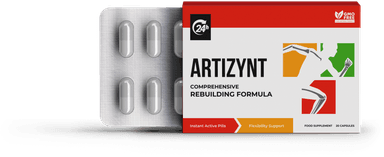
ArtiZynt — the natural solution with Gel and Capsules for healthy, pain-free joints.

Order now and feel the difference!
Natural joint care without side effects. Thousands of satisfied customers already trust ArtiZynt.
Follow us
Order Now
Fill out the form – we'll call you back