Many people know the feeling: stiff joints in the morning, a nagging ache after physical activity, or muscle tension that simply won't let go. Magnesium gel for joints is increasingly used as a natural addition to everyday routines — but what is the principle behind it, and why are more people choosing transdermal application over conventional tablets?
What Magnesium Does in the Body
Magnesium is involved in over 300 enzymatic processes in the human body. For joints and muscles specifically, three areas are particularly relevant:
- Muscle relaxation: Magnesium acts as a natural antagonist to calcium and can help regulate excessive muscle contractions. Around stiff or painful joints, this can bring noticeable relief.
- Inflammatory processes: Studies suggest that magnesium deficiency is associated with elevated inflammatory markers such as CRP (C-reactive protein). Adequate magnesium levels may help support a balanced inflammatory environment.
- Cartilage and bone structure: Magnesium is an important cofactor in bone mineralisation and contributes to the maintenance of normal bone health.
Estimates indicate that a significant proportion of the population does not reach the recommended daily intake of 300–400 mg of magnesium through diet alone. Reasons include magnesium-depleted soils, processed food consumption, and increased demand due to stress or physical activity.
Tablets vs. Transdermal Magnesium: A Direct Comparison
When magnesium comes to mind, most people think first of effervescent tablets or capsules from the pharmacy. However, this form has a significant physiological limitation: intestinal absorption is restricted.
How Oral Magnesium Works
Orally ingested magnesium is absorbed in the small intestine, with absorption rates varying between 20 and 50% depending on the compound form and individual gut health. At higher doses, a laxative effect may occur — particularly well known with magnesium oxide and magnesium citrate. For people with a sensitive stomach or irritable bowel syndrome, oral intake is therefore not always well tolerated.
Transdermal Magnesium: Directly at the Site
With the transdermal approach, magnesium — in the form of magnesium chloride or magnesium sulphate (Epsom salt) — is applied directly to the skin and is intended to be absorbed locally through the skin barrier. The concept is based on using sweat glands and hair follicles as transport pathways.
Advantages commonly discussed:
- Local concentration: The gel is applied directly to the affected joint — knee, shoulder, hip or wrist.
- No burden on the digestive tract: The gastrointestinal system is completely bypassed.
- Combinable effects: Many transdermal gels contain additional active substances such as plant-based oils that complement the local care effect.
- Easy to integrate into daily life: Applied like a cream — no swallowing, no water needed.
It should be noted fairly: the scientific research on transdermal magnesium absorption has not yet been conclusively established, and the evidence base is less extensive than for oral supplementation. Nevertheless, many users report a perceived relaxation and a pleasant sensation in the joint area.
Magnesium Oil and Its Effect on Muscles
Magnesium oil — despite its name — is not an oil but a concentrated aqueous magnesium chloride solution that feels oily on the skin. It is often available as a spray or gel and applied directly to the skin.
Its effects on muscles are particularly valued in the sports environment:
- After training: Athletes apply magnesium oil to worked muscle groups to support recovery.
- For cramps: Nocturnal calf cramps or muscle twitches are frequently linked to magnesium deficiency. Local application can help ease these symptoms.
- Before sleep: Applied to the abdomen or feet, magnesium oil is reported by many users to contribute to relaxation.
The muscle-relaxing effect of magnesium is based on its interplay with calcium: while calcium triggers muscle contraction, magnesium enables subsequent relaxation. An imbalance can lead to persistent tension — which can be particularly uncomfortable in areas surrounding joints.
Inflammation and Magnesium: What the Science Says
Inflammatory processes play a central role in many joint conditions — whether in osteoarthritis, rheumatic diseases or sports-related overuse injuries. Magnesium acts on several levels in this context:
NF-κB and Inflammatory Signalling Pathways
Laboratory studies suggest that magnesium may inhibit the activation of the transcription factor NF-κB — a central regulator of inflammatory responses in the body. Low magnesium levels have been associated in studies with elevated concentrations of interleukin-6 (IL-6) and tumour necrosis factor-alpha (TNF-α), both pro-inflammatory cytokines.
Oxidative Stress
Magnesium supports the activity of antioxidant enzymes such as superoxide dismutase. Oxidative stress is considered a contributing factor to joint inflammation and can promote the breakdown of cartilage tissue. By supporting the body's own protective mechanisms, magnesium may help counteract these processes.
A Note on Interpretation
These findings come largely from laboratory studies and epidemiological observations. They do not establish a direct therapeutic effect of magnesium preparations for specific joint conditions. Anyone experiencing persistent or severe joint pain should seek medical advice.
The Best Magnesium for Joints: What to Look for When Choosing
Not all forms of magnesium are equal — neither in oral nor transdermal application. Those who want to specifically support joint health should consider the following:
Overview of Magnesium Forms
| Form | Typical Application | Key Feature | |------|---------------------|-------------| | Magnesium sulphate | Transdermal (bath, gel) | Classic Epsom salt | | Magnesium chloride | Transdermal (oil, gel) | High concentration, well absorbed | | Magnesium citrate | Oral | Well tolerated, high bioavailability | | Magnesium glycinate | Oral | Particularly gentle on the stomach | | Magnesium oxide | Oral | Low bioavailability, inexpensive |
For local joint care, magnesium sulphate has established itself as a well-proven ingredient — it is the active component in classic Epsom salt baths, which have been used for centuries to relax muscles and joints.
Combination with Plant-Based Ingredients
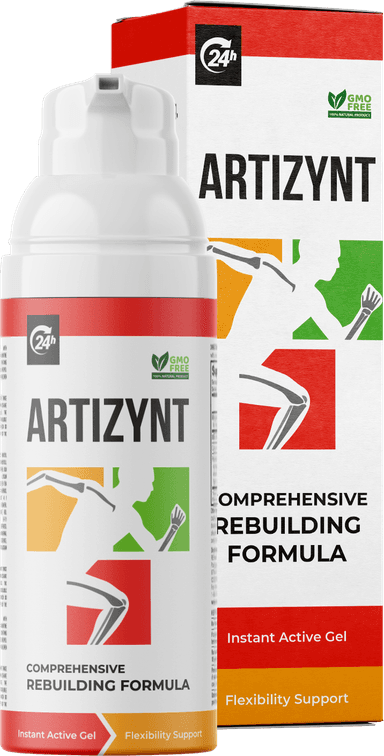
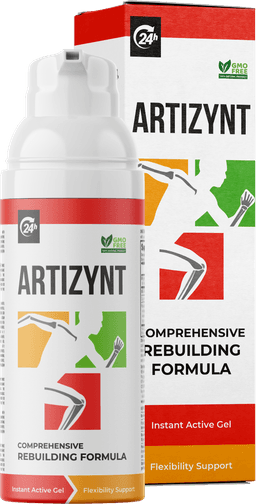
Modern transdermal gels frequently combine magnesium with plant-based oils that bring their own soothing and sensation-easing properties. Contemporary alternatives like the ArtiZynt Gel combine magnesium sulphate with Siberian fir oil and peppermint oil — fir oil has a warming effect and can stimulate circulation in the joint area, while peppermint oil creates a pleasant cooling sensation on the skin surface through its natural cooling effect.
Applying Transdermal Magnesium Products: Practical Tips
To allow transdermal magnesium products to deliver their full care benefit, a few basic guidelines are worth following:
- Clean skin: Apply the gel or oil to clean, dry skin — ideally after showering, when the pores are open.
- Massage in adequately: Gentle circular movements promote blood flow to the joint area and support absorption.
- Regular application: A single application is rarely sufficient. A routine — morning and evening — generally shows better results.
- Combine with warmth: Applying heat after use (e.g. a warm water bottle on the knee) can amplify the relaxing effect on the surrounding musculature.
- Observe and adjust: Every body responds differently. Notice at what time of day and with what quantity you experience the most pleasant effect.
In case of skin irritation or allergic reactions, discontinue use and consult a healthcare professional.
When Transdermal Magnesium May Be Particularly Worthwhile
There are specific situations and groups of people for whom transdermal magnesium application can be a particularly fitting addition:
For Those with Oral Intolerance
People who experience digestive problems with oral magnesium supplements — whether diarrhoea, bloating or stomach discomfort — benefit from the fact that transdermal products bypass the gut entirely. The gastrointestinal tract simply plays no role in this form of application.
For Localised Complaints in Specific Joints
Those who want to care specifically for their knee, shoulder or ankle can concentrate the effect of a gel precisely on that area. By contrast, an orally ingested substance distributes systemically throughout the entire body, with no regional targeting possible.
As Part of an Evening or Morning Routine
Applying a magnesium gel integrates well into existing routines — in the morning as preparation for the day ahead or in the evening for relaxation after physical activity. Many users find the massaging motion during application itself pleasant and relaxing.
For Athletes and Physically Active People
Intensive exercise significantly increases magnesium loss through sweat. Transdermal products can be applied directly to stressed muscle and joint regions after training, contributing in a targeted way to the recovery routine — without waiting for digestion.
Magnesium as Part of a Holistic Approach to Joint Care
Transdermal magnesium is not a cure-all — but it can be a meaningful component in a comprehensive approach to joint care. The following measures complement each other well:
- Movement: Joint-friendly activities such as swimming, cycling or yoga help maintain mobility and strengthen the stabilising muscles around joints.
- Nutrition: Magnesium-rich foods (pumpkin seeds, almonds, dark chocolate, spinach) contribute to overall supply.
- Adequate sleep: Regenerative processes — including in cartilage tissue — largely take place during sleep.
- Stress reduction: Chronic stress increases the body's magnesium consumption and can promote inflammatory processes.
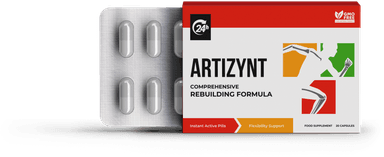
- Inner support: Those wishing to complement external joint care with targeted nutrients may consider ArtiZynt Capsules with glucosamine, collagen and turmeric.
Conclusion
Magnesium plays a significant role for muscles, joints and inflammatory processes in the body. Transdermal application — whether as a gel, oil or Epsom salt bath — offers an interesting complement to oral supplementation, as it bypasses the digestive system and allows magnesium to be concentrated directly at the desired locations.
Whether transdermal magnesium is the "best magnesium for joints" cannot be stated categorically — it depends on individual factors, the chosen compound and the regularity of application. What is clear, however: adequate magnesium supply is an important component for the wellbeing of muscles and joints, and local application allows targeted care precisely where it is needed.
For persistent joint complaints or severe pain, always consult a doctor or orthopaedic specialist to have the underlying cause assessed.
Want to support your joints naturally?
ArtiZynt — the natural solution with Gel and Capsules for healthy, pain-free joints.

Order now and feel the difference!
Natural joint care without side effects. Thousands of satisfied customers already trust ArtiZynt.
Follow us
Order Now
Fill out the form – we'll call you back