
Approximately 29 percent of women and 24 percent of men in Germany suffer from acute joint pain — according to data from the Robert Koch Institute. Whether it's the knee, shoulder, or hip, many people look for gentle home remedies for joint pain before reaching for painkillers. This guide presents proven methods and explains how to apply them correctly.
Why Home Remedies for Joint Pain Are So Popular
Joint pain is one of the most common everyday complaints. In Germany alone, over 15 million people live with a medically diagnosed form of osteoarthritis. Many of those affected prefer not to rely on painkillers long-term and instead look for natural alternatives.
Home remedies can be a valuable complement to medical treatment. They are easy to use at home, generally well tolerated, and may help alleviate acute discomfort. However, it's important to note that home remedies are not a substitute for medical advice. If you experience persistent or severe joint pain, you should always seek medical evaluation.
The Quark Wrap: A Cooling Remedy for Swollen Joints
The quark wrap (Quarkwickel) is one of the best-known home remedies for joint pain and is particularly common for knee complaints. Its effect is based on a simple principle: the cool quark draws heat from the skin, the moisture evaporates, and creates a pleasant cooling effect.
How to Apply a Quark Wrap Correctly
- Take regular low-fat quark (a type of fresh dairy product) from the refrigerator
- Spread a finger-thick layer onto a cotton cloth or gauze compress
- Place the wrap with the quark side directly on the affected joint
- Secure it with a towel or elastic bandage
- Leave the wrap on for 15 to 20 minutes
Tip: Cold quark wraps can be applied several times a day for acute complaints. Make sure not to leave the wrap on for longer than 20 minutes, as the quark will warm up and the cooling effect will diminish.
Quark wraps are particularly suitable for:
- Swollen knees
- Overheated joints
- Acute signs of inflammation such as redness and swelling
Cabbage Wraps for Osteoarthritis: A Remedy Backed by Research
The cabbage wrap is a traditional home remedy that has been used for joint complaints for generations. Interestingly, studies have shown that cabbage wraps can provide pain relief comparable to diclofenac gel for knee osteoarthritis. The anti-inflammatory compounds in cabbage — particularly flavonoids and glucosinolates — are thought to be responsible.
How to Make a Cabbage Wrap
- Use fresh white cabbage or savoy cabbage leaves
- Cut out the thick central vein with a knife
- Roll the leaves with a rolling pin until the plant juice emerges
- Place several layers of leaves on the painful joint
- Secure everything with a gauze bandage and a warm outer cloth
- Leave the wrap on for at least two hours — ideally overnight
For sustained results, it is recommended to apply a fresh cabbage wrap every night over a period of four weeks. The cabbage leaves may help reduce swelling and support joint mobility.
Heat or Cold? The Right Application for Joint Pain
Not every temperature treatment suits every complaint. Choosing correctly can make a significant difference:
Cold is suitable for:
- Acute inflammation with swelling and redness
- Overheated joints
- Fresh injuries (first 48 hours)
Heat is suitable for:
- Chronic joint pain without acute inflammation
- Muscle tension around the joint
- Stiffness after prolonged rest
A warm bath with additions like rosemary or pine needles can promote circulation and loosen tense muscles around the joints. For those who prefer cooling, natural menthol-based gels can be used — peppermint provides a pleasant refreshing effect on the skin.
Medicinal Plants and Natural Compounds for Joint Complaints
Natural medicine offers a range of plants and active compounds that can be used to support joint health:
Ginger
Ginger contains gingerols, which possess anti-inflammatory properties. It can be consumed as tea, incorporated fresh into the diet, or applied externally as a ginger wrap. For a ginger wrap, pour hot water over freshly grated ginger, soak a cloth in the mixture, and place it on the affected joint. Especially for stiff joints in the morning, a warm ginger tea can promote circulation and support overall well-being.
Turmeric
Curcumin, the active compound in turmeric, is valued for its anti-inflammatory properties. The bioavailability of curcumin can be significantly improved by combining it with black pepper (piperine). Turmeric is easy to incorporate into smoothies, golden milk, or meals.
Peppermint Oil
Peppermint oil has a naturally cooling effect due to its menthol content. When massaged into the skin around the joint, it can create a pleasant sensation of freshness and cool the area. Important: Always dilute essential oils with a carrier oil and do not apply to open wounds.
Frankincense
The boswellic acids found in frankincense possess anti-inflammatory properties. Frankincense can be taken as a dietary supplement or applied externally as a cream. In traditional Indian Ayurvedic medicine, frankincense has been valued for centuries for joint complaints.
Devil's Claw
Devil's claw (Harpagophytum procumbens) originates from South African natural medicine and is widely used in Europe for joint complaints. The harpagosides it contains may help alleviate discomfort in the musculoskeletal system. Devil's claw is available as tea, capsules, or ointment. Note that its effects may only become noticeable after several weeks of regular use.
Diet: Fighting Inflammation from Within
Diet plays an important role in joint health. Certain foods can promote inflammatory processes in the body, while others may help reduce them.
Anti-inflammatory foods:
- Fatty fish (salmon, mackerel, herring) — rich in omega-3 fatty acids
- Green leafy vegetables (spinach, kale, broccoli) — rich in antioxidants
- Berries (blueberries, raspberries) — contain anti-inflammatory polyphenols
- Nuts and seeds (walnuts, flaxseeds) — provide omega-3 fatty acids
- Onions and garlic — contain sulfur compounds
Better to avoid with joint complaints:
- Highly processed foods
- Excessive sugar and refined flour products
- Frequent alcohol consumption
- Pork and fatty cured meats (contain arachidonic acid)
A balanced, anti-inflammatory diet can contribute to supporting joint health in the long term.
Exercise: The Underrated Home Remedy for Joints
Many people with joint pain tend to move less. Yet regular, low-impact exercise is one of the most important factors for healthy joints. Movement helps distribute synovial fluid more effectively, nourishes cartilage with nutrients, and strengthens the surrounding muscles that stabilize the joint.
Joint-friendly sports:
- Swimming and water aerobics — water supports most of the body weight
- Cycling — smooth movement without impact stress
- Yoga and gentle stretching — improves flexibility and body awareness
- Nordic walking — gentler on joints than jogging, trains the whole body
- Tai Chi — flowing movements that promote balance and mobility
Just 30 minutes of moderate exercise on most days of the week can make a positive contribution to joint health. Start slowly and gradually increase the intensity. Even simple stretching exercises in the morning or short walks during the lunch break can make a difference. The key is consistency — 20 minutes every day is better than one intense session per week.
Magnesium: An Important Mineral for Muscles and Joints
Magnesium is well known for its muscle-relaxing properties. A magnesium deficiency can lead to muscle cramps and tension, which in turn can intensify joint pain. Supplementing magnesium — whether through diet, supplements, or external application — can therefore be beneficial.
Transdermal magnesium, meaning magnesium absorbed through the skin, offers the advantage of working directly at the affected area without burdening the digestive system. Modern alternatives such as ArtiZynt Gel with magnesium, fir oil, and peppermint combine the cooling properties of mint with the local application of magnesium, helping to support the care of stressed joints.
Magnesium-rich foods:
- Pumpkin seeds and sunflower seeds
- Dark chocolate (70% cocoa or higher)
- Whole grain products
- Legumes (lentils, chickpeas)
- Bananas and avocados
More Proven Home Remedies at a Glance
In addition to the methods already mentioned, there are further home remedies that can be used for joint pain:
- Arnica ointment: Can be applied externally to painful joints and is traditionally used for swelling and bruises
- Comfrey root ointment: A classic natural remedy used externally for joint complaints
- Epsom salt bath: A full bath or foot bath with magnesium sulfate (Epsom salt) can have a relaxing effect and loosen muscles
- Rosemary oil massage: Rosemary promotes circulation and can be soothing for tense muscles around the joints
- Chamomile tea wrap: Chamomile has calming properties and can be applied as a wrap to the affected area
When Should You See a Doctor?
Home remedies can be a valuable support for mild to moderate joint complaints. However, there are situations where a medical examination is essential:
- Severe pain that cannot be relieved with home remedies
- Persistent swelling or redness lasting several days
- Restricted movement that affects daily life
- Joint pain following an accident or fall
- Fever combined with joint pain (may indicate an infection)
- Morning stiffness lasting over 30 minutes (may indicate rheumatoid arthritis)
If you experience persistent symptoms, consult your doctor to determine the cause of your joint pain and find appropriate treatment.
Conclusion
There are numerous home remedies for joint pain that are simple and affordable to use at home. From the tried-and-tested quark wrap and cabbage wrap to anti-inflammatory spices like ginger and turmeric — natural medicine offers many ways to gently address joint complaints. Complemented by an anti-inflammatory diet, regular exercise, and adequate magnesium intake, these measures can contribute to supporting long-term joint health. Remember: always speak with your doctor if your symptoms persist or worsen.
Want to support your joints naturally?
ArtiZynt — the natural solution with Gel and Capsules for healthy, pain-free joints.
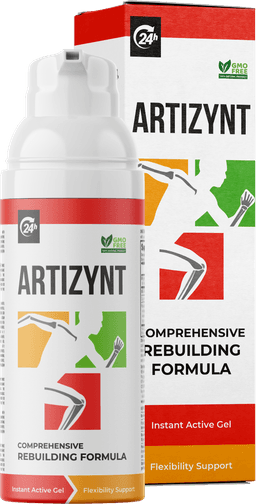


Order now and feel the difference!
Natural joint care without side effects. Thousands of satisfied customers already trust ArtiZynt.
Follow us
Order Now
Fill out the form – we'll call you back