
Every Meal Counts: Are You Eating Against Your Joint Pain?
Imagine sitting at the breakfast table and every movement – reaching for your cup, getting up from the chair – reminds you of the osteoarthritis in your knees or hips. The day starts with pain, and you wonder: can I actually do something about this?
The answer is: yes – and it often starts on your plate. A growing body of research shows that nutrition plays a crucial role in the development and progression of osteoarthritis. Certain foods can promote inflammatory processes in the body – while others can help dampen them and support the joints.
If you suffer from osteoarthritis or have noticed early signs of joint pain, this article is written for you. We explain how nutrition is connected to your joints, which foods you should favour – and which you're better off avoiding.
Why Eating the Wrong Things Can Worsen Osteoarthritis
Osteoarthritis is a condition in which joint cartilage gradually breaks down. For a long time it was seen as a purely mechanical problem – wear and tear from age or load. But research reveals a more complex picture: chronic low-grade inflammation plays a significant role in the progression of the disease.
And this is exactly where nutrition comes in. A diet rich in sugar, processed foods and unhealthy fats can raise inflammatory markers in the blood – as nutritional medicine research shows. In Germany and Austria, around 5 million people are affected by osteoarthritis, many of them already in middle age.
What happens if you change nothing?
- Inflammation increases: A pro-inflammatory diet can accelerate cartilage breakdown
- Excess weight puts additional strain on joints: Every kilogram of body weight places approximately 3 to 5 times that amount of pressure on the knee joint when walking
- Nutrient deficiency slows regeneration: Without sufficient vitamin D, omega-3 and antioxidants, the body struggles to rebuild damaged tissue
- The pain spiral tightens: More pain means less movement, less movement accelerates cartilage degradation
The good news: nutrition is one of the few factors you can actively control.
The Best Anti-Inflammatory Foods for Healthy Joints
A so-called anti-inflammatory diet aims to reduce pro-inflammatory processes in the body. It is based on foods rich in antioxidants, omega-3 fatty acids and secondary plant compounds.
Fatty Fish: Omega-3 for the Joints
Salmon, mackerel, herring and sardines are rich in omega-3 fatty acids (EPA and DHA). These polyunsaturated fatty acids can help modulate inflammatory responses in the body. Nutrition experts recommend eating fatty fish at least twice a week.
If you don't like or eat fish, high-quality algae oil supplements are a good alternative – they also provide marine omega-3 fatty acids.
Colourful Vegetables and Berries: Antioxidants from Nature
Broccoli, spinach, peppers, blueberries and cherries are true powerhouses for joint health:
- Vitamin C from peppers and broccoli is involved in collagen synthesis – collagen is an important building block of cartilage tissue
- Anthocyanins in berries and red fruits have antioxidant properties
- Sulforaphane from cruciferous vegetables (broccoli, Brussels sprouts) is being researched for its inflammation-modulating properties
Extra Virgin Olive Oil: The Liquid Gold of Mediterranean Cuisine
High-quality olive oil is rich in monounsaturated fatty acids and contains oleocanthal – a compound that in laboratory studies has shown properties similar to certain anti-inflammatory substances. Use it daily as a base for salad dressings and gentle sautéing.
Turmeric and Ginger: Spices with Impact
Turmeric contains the active compound curcumin, which has been examined in numerous laboratory studies and small clinical investigations for its inflammation-modulating properties. In combination with pepper (piperine), curcumin is better absorbed by the body.
Ginger contains gingerols and shogaols – plant compounds that have been used in traditional medicine for centuries for joint complaints and are receiving increasing attention in modern research.
A simple tip: prepare yourself a daily golden milk (turmeric latte) or integrate fresh ginger into smoothies, teas and dishes.
What You Should Remove from Your Menu
Just as important as the right foods is reducing certain foods that can promote inflammation.
The "Inflammation Promoters": These Foods Burden Your Joints
Sugar and highly processed carbohydrates are problematic from a nutritional medicine perspective: they can cause blood sugar to rise rapidly and trigger inflammatory cascades. Soft drinks, white bread, pastries and sweet snacks should appear on the menu as rarely as possible.
Trans fatty acids are found in many industrially manufactured foods, fried dishes and ready meals. They are considered particularly pro-inflammatory and should be avoided as much as possible.
Too much arachidonic acid from red meat and processed meats can promote the formation of pro-inflammatory messengers. This doesn't mean you need to give up meat entirely – but a reduction to 1-2 times per week can be beneficial.
Alcohol and Osteoarthritis: A Difficult Relationship
Alcohol can promote inflammatory processes in the body and additionally burdens the liver and kidneys, which play an important role in detoxification and metabolism. With existing joint complaints, many nutritional medicine practitioners recommend significantly reducing alcohol or avoiding it altogether.
Mindful of the Acid-Base Balance
A predominantly acid-forming diet (lots of meat, dairy products, white flour products, little vegetables) can, according to some nutritional theories, burden the body's internal environment. Whether this is directly linked to osteoarthritis is not yet scientifically conclusive – but an alkaline-leaning diet with plenty of vegetables and fruit certainly does no harm and simultaneously provides valuable nutrients.
Micronutrients Your Joints Need
Beyond the "big" dietary rules, specific micronutrients also play an important role in joint health:
Vitamin D: The Underestimated Joint Protector
In Germany and Austria, many people – especially in the winter months – suffer from vitamin D deficiency. However, vitamin D is not only important for bones; it also plays a role in immune regulation and can influence inflammatory processes.
Have your vitamin D level measured by your doctor. Fatty fish, eggs and mushrooms provide some vitamin D, but in our latitudes supplementation is often necessary.
Magnesium: More Than Just for Muscles
Magnesium is involved in over 300 enzymatic reactions in the body. It supports muscle relaxation and can help with muscle cramps and tension around the joints. Magnesium-rich foods include nuts, seeds, legumes, dark chocolate and green leafy vegetables.
Glucosamine and Collagen: Building Blocks for Cartilage
Glucosamine is a natural component of cartilage tissue. Some studies have investigated whether supplementation with glucosamine sulfate can support symptoms in osteoarthritis. The scientific evidence is mixed, but interest in these substances in nutritional medicine is considerable.
Collagen is the most abundant structural protein in the body and an essential component of cartilage, tendons and ligaments. Bone broth or collagen-rich supplements are therefore recommended by some nutrition experts for joint problems.
Want to support your joints naturally?
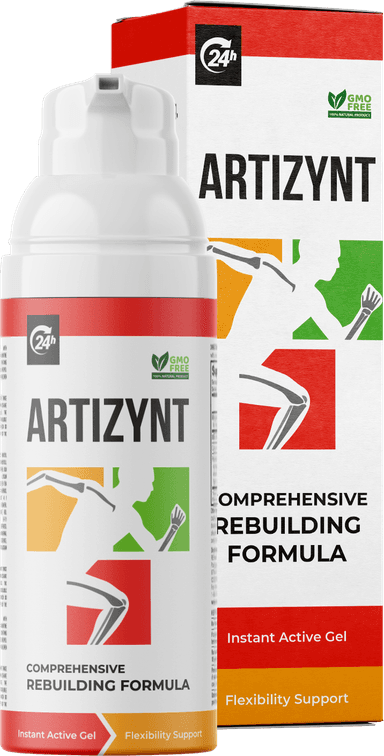
ArtiZynt — the natural solution with Gel and Capsules for healthy, pain-free joints.

ArtiZynt: When Nutrition Alone Is Not Enough
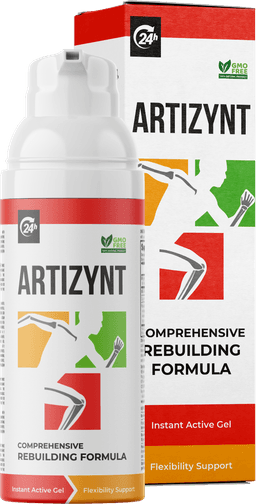
A balanced, anti-inflammatory diet is an important step – but sometimes joints need additional support. This is exactly where ArtiZynt comes in with its dual approach: external care through the gel and internal support through the capsules.
ArtiZynt Gel – Immediate Effect from the Outside
The ArtiZynt Gel combines proven natural active ingredients in a single formulation:
- Magnesium sulfate is absorbed directly through the skin and can locally contribute to muscle relaxation – without burdening the gastrointestinal tract
- Peppermint oil provides a pleasant cooling effect and can create a feeling of refreshment in the affected area
- Siberian fir oil (Abies sibirica) supports circulation and brings soothing warmth
- Glycerin cares for the skin and supports the absorption of active ingredients
Simply apply twice daily to the affected joint area – for a quick, pleasant care experience.
ArtiZynt Capsules – Regeneration from Within
Complementing the gel, the ArtiZynt Capsules deliver important nutrients that also play a central role in a joint-friendly diet:
- D-Glucosamine sulfate – natural building block of cartilage tissue
- Bovine collagen – provides essential amino acids for connective tissue support
- Turmeric extract – contains curcumin, known for its plant-based properties
- Zinc citrate – cofactor in cartilage synthesis
- Black pepper extract – improves bioavailability of curcumin
Why the Combined Approach Works Best
- Fast effect: The gel can bring a pleasant sensation within a short time
- Long-term support: The capsules deliver nutrients that can support cartilage and connective tissue at a cellular level
- Synergy: External care and internal supply complement each other – just as good nutrition and targeted supplementation work together
Please consult your doctor for persistent complaints. ArtiZynt is not a therapy but a natural support for your joints in everyday life.
Take the First Step
Osteoarthritis and nutrition are inseparably linked: what you eat daily can amplify or dampen inflammatory processes – and thus have a direct influence on your joint health. A diet rich in omega-3 fatty acids, colourful vegetables, quality oils and anti-inflammatory spices like turmeric and ginger can help support your joints in the long term.
If you have already adjusted your diet and are looking for additional support, ArtiZynt Gel and the combination with ArtiZynt Capsules could be a meaningful addition. Order ArtiZynt now and give your joints the natural support they deserve.
For persistent joint complaints, please consult your doctor or orthopaedic specialist.

Order now and feel the difference!
Natural joint care without side effects. Thousands of satisfied customers already trust ArtiZynt.
Follow us
Order Now
Fill out the form – we'll call you back